








Why Buy a New-Build Property in Spain? 10 Benefits
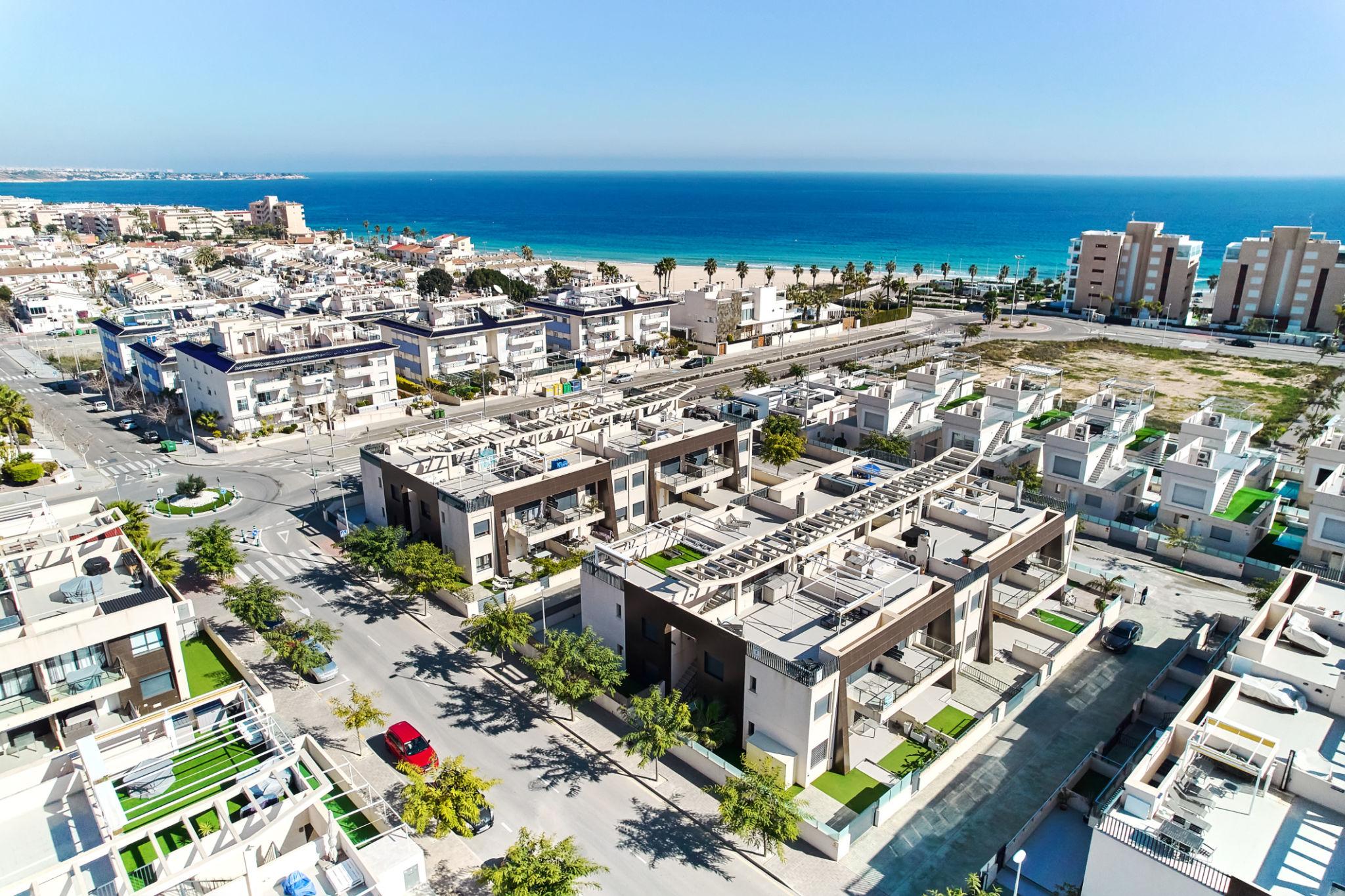
Buying a home in Spain is an exciting opportunity, whether you are looking for a permanent residence, a holiday home or a property investment. While Spain offers a wide range of resale properties, new-build homes are becoming an increasingly attractive option for international buyers.
From contemporary architecture and energy-efficient features to modern facilities and developer warranties, purchasing a new-build property in Spain comes with several advantages. In this guide, we explore the key reasons why buying a newly built home could be the right choice for you.
In This Article
What Is a New-Build Property in Spain?
A new-build property is a home that has recently been constructed or is being developed for its first owner. These properties are commonly sold directly by developers, either before construction begins, during the building process or once the development is completed.
New-build homes in Spain include apartments, penthouses, townhouses, semi-detached houses and detached villas. They can be found in coastal resorts, growing residential communities and popular cities.
Many developments are designed with modern lifestyles in mind, combining practical interiors with outdoor spaces, communal facilities and convenient access to local services.
1. Modern Design and Contemporary Layouts
One of the main advantages of buying a new-build property in Spain is its contemporary design. New developments are generally planned to reflect current expectations around comfort, natural light and practical living spaces.
Depending on the property, features may include:
Open-plan living and dining areas.
Modern kitchens and bathrooms.
Large windows and improved natural lighting.
Private terraces, balconies or gardens.
Built-in wardrobes and practical storage.
Contemporary materials and finishes.
Many homes are designed to make the most of Spain's climate, with outdoor areas that extend the living space and provide somewhere to relax, dine or enjoy the sunshine.
For buyers who want a home that feels modern from day one, a new-build property can be an appealing option.
2. Better Energy Efficiency
Energy efficiency is an increasingly important consideration when choosing a property. New residential developments must comply with applicable building and energy-performance regulations, which can offer advantages over older homes that may not have been upgraded.
Depending on the development and its specifications, energy-efficient features may include:
Improved thermal insulation.
Double or high-performance glazing.
Modern heating and cooling systems.
Efficient hot-water systems.
LED lighting and energy-saving installations.
Solar panels or other renewable-energy solutions.
These features may help reduce energy consumption and improve indoor comfort throughout the year. However, actual energy performance and running costs depend on the property's design, equipment, location and how it is used.
Before purchasing, ask the developer for the energy performance certificate and detailed technical specifications.
3. Less Maintenance and Fewer Immediate Repairs
Older properties can require renovation or replacement of essential systems, including plumbing, electrical installations, windows, kitchens and bathrooms.
A newly built home is less likely to need major renovations immediately after purchase because its main systems and finishes are new. This can be particularly convenient for international buyers who do not live in Spain permanently and may find it difficult to organise repairs from abroad.
Nevertheless, new-build properties still require regular maintenance. Buyers should understand which maintenance responsibilities belong to the individual owner and which are managed by the community of owners.
4. Builder Warranties and Legal Protection
New-build properties in Spain benefit from specific legal protections under Spanish building legislation. Under the Building Regulation Law (Ley de Ordenación de la Edificación), statutory liability periods generally cover different types of construction defects:
One year: defects affecting finishing and completion work, under the statutory regime.
Three years: defects affecting habitability requirements, such as certain problems involving installations or insulation.
Ten years: structural defects that affect the building's stability and safety.
These periods are subject to legal conditions, definitions and exceptions. They do not mean that every issue is automatically covered for the entire period or that all defects are treated in the same way.
For qualifying new residential developments, developers must also comply with applicable requirements concerning insurance or financial guarantees for structural damage.
Ask your independent lawyer to explain the applicable warranties, documentation and procedures for reporting defects before signing your purchase agreement.
5. Personalisation Options
When buying a property during the early stages of construction, some developers may offer buyers the opportunity to choose certain finishes or upgrades.
Depending on the development and construction stage, options may include:
Flooring and wall finishes.
Kitchen colours and materials.
Bathroom fittings.
Wardrobe finishes.
Optional appliances or additional equipment.
Personalisation can help you create a home that better reflects your preferences without organising a separate renovation after completion.
However, the available choices, deadlines and additional costs vary between developers. Always request written confirmation of what is included in the purchase price and what is considered an optional upgrade.
6. Modern Communal Facilities
Many new residential developments in Spain are designed around shared spaces that make everyday living more comfortable and enjoyable.
Depending on the project, facilities may include:
Communal swimming pools.
Landscaped gardens and relaxation areas.
Fitness rooms or gyms.
Children's play areas.
Underground or private parking.
Storage rooms.
Social or multipurpose spaces.
These facilities can be especially attractive for buyers looking for a holiday home or a property in a community with shared amenities.
Before purchasing, check the community fees, facility maintenance arrangements and any rules governing the use of communal areas. Facilities shown in marketing materials should also be confirmed in the official documentation for the development.
7. Flexible Payment Plans During Construction
Some developers offer staged payment plans for properties purchased before construction is completed. Instead of paying the entire purchase price at once, buyers may pay an initial reservation amount, a deposit and further instalments according to an agreed schedule.
A typical arrangement may involve:
A reservation payment to secure the selected property.
An initial deposit after signing the relevant private purchase agreement.
Further payments during construction, if agreed.
The remaining balance at completion, usually when the public deed is signed and the property is transferred.
The exact payment structure varies significantly between developments and must be confirmed in the contract.
Important: Payments made in advance for qualifying off-plan homes are subject to specific legal safeguards in Spain. Your lawyer should verify the applicable bank guarantees or insurance, the designated account arrangements and the conditions for recovering advance payments if the development is not completed as agreed.
Never transfer money solely on the basis of a brochure or verbal promise. Have the payment schedule and protections reviewed independently before making a commitment.
8. Potential Investment Opportunities
Spain remains an attractive destination for people looking to purchase property for personal use or as a long-term investment. Its climate, lifestyle, international connections and established tourism sector make many regions appealing to both residents and visitors.
A new-build property may offer several features that appeal to future tenants or buyers:
Modern interiors and contemporary layouts.
Energy-efficient installations.
New communal facilities.
Lower immediate renovation requirements.
Locations near beaches, services and transport connections.
Some buyers consider new developments for long-term rental income, seasonal accommodation or potential resale. However, investment returns are never guaranteed.
Before purchasing for investment purposes, research local demand, comparable rental prices, community fees, taxes, maintenance costs and any regional or municipal restrictions on tourist rentals. A property that is suitable for personal use is not necessarily suitable for short-term letting.
Consider seeking independent financial and legal advice before making an investment decision.
9. Attractive Locations Across Spain
New residential developments can be found in many parts of Spain, from lively coastal destinations to quieter residential towns and major cities. The right location depends on your lifestyle, budget and reasons for buying.
Costa Blanca
The Costa Blanca, in the province of Alicante, is known for its Mediterranean coastline, beaches, golf courses and international communities. Areas such as Alicante, Torrevieja, Orihuela Costa, Guardamar del Segura and Benidorm offer a variety of property types and residential developments.
Costa del Sol
The Costa del Sol in Andalusia attracts buyers looking for a warm climate, coastal living, golf facilities and access to international transport links. Marbella, Estepona, Fuengirola, Mijas and Benalmádena are among its well-known locations.
Murcia and the Costa Cálida
The Costa Cálida offers coastal resorts, golf communities and residential areas that may appeal to buyers seeking a different balance of lifestyle and budget. The region includes destinations such as Los Alcázares, San Pedro del Pinatar and Cartagena.
Valencia and Other Spanish Cities
Buyers who prefer city living may also explore Valencia and other urban areas. These locations can offer access to employment, education, healthcare, public transport and year-round services.
Compare locations carefully. Visit the area at different times of the year where possible, and consider access to airports, shops, healthcare, schools and public transport.
10. A More Predictable Buying Experience
Buying a newly built home can make some aspects of the purchasing process more straightforward. The property is being sold as a new unit, with a developer responsible for construction and the delivery of the agreed specifications.
For buyers, this can mean:
Access to technical specifications and development plans.
Information about materials, fittings and included equipment.
A defined construction and completion schedule, subject to the contract.
Documentation relating to the building and its legal status.
A clear process for identifying and reporting defects at handover.
However, buying off-plan also involves risks, including construction delays, changes permitted under the contract and the possibility of disputes. Independent legal checks remain essential, even when purchasing directly from a developer.
Things to Consider Before Buying a New-Build Property in Spain
Although new-build homes offer many advantages, it is important to evaluate the purchase carefully. Before committing, consider the following points:
1. Research the Developer
Check the developer's experience, previous projects, financial position where possible and reputation. If you can, visit completed developments to assess construction quality and maintenance.
2. Verify Planning and Building Documentation
Your independent lawyer should verify the land ownership, planning permissions, building licence, relevant project documentation and any other legal requirements applicable to the development.
3. Review the Purchase Contract
Make sure the contract clearly identifies the property, purchase price, payment schedule, specifications, estimated completion date, permitted changes, delay provisions and conditions for termination.
4. Understand the Total Purchase Costs
The purchase price is not the only expense. Depending on the transaction and region, additional costs may include VAT (IVA), Stamp Duty (AJD), notary and Land Registry fees, legal fees, mortgage-related costs where applicable and other charges.
For qualifying new residential properties purchased directly from a developer, VAT is generally 10% of the purchase price. Certain property types, including some protected housing, may be subject to different rates. AJD rates and rules vary by autonomous community. Ask your lawyer or tax adviser to calculate the costs applicable to your specific purchase.
5. Check What Is Included
Marketing images may show furniture, lighting, appliances, landscaping or decorative features that are not included in the standard price. Request a written specification and confirm all inclusions before signing.
6. Check the Completion and Handover Process
Understand when the property is expected to be completed, what documentation will be provided and how you can inspect the home before or during handover. Ask how defects will be recorded and addressed.
7. Understand Community Fees and Restrictions
If the property is part of a residential community, ask about monthly or annual community fees, maintenance responsibilities, house rules and restrictions on rentals or use of communal facilities.
New-Build vs Resale Property in Spain: What Is the Difference?
Both new-build and resale properties can be good choices. The right option depends on your priorities, budget and preferred location.
Factor | New-Build Property | Resale Property |
|---|---|---|
Condition | New construction and finishes. | Condition varies depending on age and maintenance. |
Design | Usually reflects contemporary layouts and specifications. | May have traditional layouts or require modernisation. |
Energy efficiency | Must meet applicable current building requirements. | Depends on the building's age and any improvements. |
Maintenance | Generally fewer immediate renovation needs. | May require repairs or upgrades. |
Availability | May be completed or purchased off-plan. | Usually available for viewing and purchase as an existing home. |
Personalisation | Some choices may be available during construction. | Changes usually require renovation. |
Purchase taxes | Generally VAT (IVA) and AJD for qualifying direct developer sales. | Generally regional transfer tax (ITP) for typical resale purchases. |
Tax treatment depends on the legal nature of the transaction and the property. Your adviser should confirm the correct tax regime before you sign.
How to Buy a New-Build Property in Spain
The buying process can vary depending on whether the property is completed or still under construction. In general, international buyers can expect the following steps:
Choose your location: Compare regions, towns and residential areas based on your lifestyle and budget.
Set your budget: Include the property price, taxes, legal fees and other purchase costs.
Explore developments: Compare available apartments, villas, townhouses and other new-build homes.
Arrange viewings: Visit completed properties or show homes where available, and assess the surrounding area.
Appoint an independent lawyer: Choose a qualified Spanish property lawyer who represents your interests, independently of the developer.
Obtain an NIE: A Spanish Foreigner Identification Number is generally required for property transactions and related formalities.
Review and sign the contract: Have the purchase agreement and payment schedule checked before signing.
Arrange financing if needed: If you require a mortgage, discuss eligibility and conditions with a lender.
Complete the purchase: Pay the remaining amount and sign the public deed before a Spanish notary, as applicable.
Register and take possession: Complete the relevant registration and tax formalities, receive the keys and arrange utilities and insurance.
For a more detailed explanation, read our guide: How to Buy a Property in Spain: Step-by-Step Guide.
Frequently Asked Questions About New-Build Properties in Spain
Are new-build properties in Spain a good investment?
They can be suitable for long-term investment, personal use or rental purposes, depending on the location, purchase price, local demand and ongoing costs. However, rental income and capital appreciation are not guaranteed. Research the local market and check rental regulations before investing.
Is it cheaper to buy a new-build or resale property in Spain?
There is no universal answer. New-build properties may have a higher initial asking price in some areas, while resale properties may require renovation. The tax treatment also differs: qualifying new homes purchased directly from developers generally involve VAT and AJD, while typical resale purchases are generally subject to ITP. Compare the total cost of ownership rather than just the advertised price.
Can foreigners buy new-build property in Spain?
Yes. Foreign nationals can generally purchase property in Spain, subject to applicable legal requirements. Buyers usually need an NIE and must provide the documentation required for the transaction and verification of funds. Your lawyer can guide you through the process.
Do new-build properties in Spain come with a warranty?
Spanish building legislation provides statutory liability periods for certain construction defects: generally one year for finishing defects, three years for certain habitability defects and ten years for structural defects affecting stability and safety. The exact scope and conditions depend on the law and the circumstances of the defect.
Can I buy a property in Spain before it is built?
Yes. Many developers sell properties off-plan before or during construction. Before paying any deposit or instalment, have your lawyer verify the developer, planning documentation, contract terms and the legally required safeguards for advance payments.
What taxes do I pay when buying a new-build property in Spain?
For qualifying new residential properties purchased directly from a developer, buyers generally pay 10% VAT (IVA), while AJD is also normally applicable at a rate that depends on the autonomous community. Different rates or rules may apply to certain property types and transactions. Confirm the exact amount with a Spanish tax adviser.
Can I rent out my new-build property in Spain?
Possibly, but rental rights depend on local and regional regulations, the type of rental, planning rules and community restrictions. Tourist rentals may require licences or registration, and some locations have additional limitations. Check the current rules before buying a property for holiday letting.
Do new-build properties in Spain include furniture and appliances?
Not always. Some developments include fitted kitchens, appliances, wardrobes or other equipment, while furniture packages and optional upgrades may cost extra. Always check the written property specifications and purchase contract.
Is Buying a New-Build Property in Spain Right for You?
A new-build property in Spain can offer contemporary design, modern facilities, energy-efficient features and the reassurance of statutory construction protections. It can be an appealing choice for international buyers looking for a permanent home, a holiday property or a potential long-term investment.
The most important thing is to choose the right development, understand the full purchase costs and carry out independent legal checks before committing.
Take your time to compare locations, developers and property specifications. A well-informed decision can help you find a home that matches your lifestyle and long-term plans.
Explore New-Build Properties in Spain with AnyHouse
Looking for a modern apartment, townhouse or villa in Spain? Explore new-build developments and discover properties offered by developers across popular Spanish locations.
With AnyHouse, you can compare homes, explore developments and connect with property developers. AnyHouse does not charge buyers a commission for using the platform.
Explore New-Build Properties in Spain
Disclaimer: This article is provided for general informational purposes only and does not constitute legal, tax, financial or investment advice. Property laws, taxes and regulations may change and can vary between autonomous communities and municipalities in Spain. Always consult independent qualified professionals before making a property purchase.